 Diverse Learners & Special Education
Teaching Gifted Learners
To meet the needs of every gifted student, differentiating curriculum is not an option, it’s a necessity! Our Teaching Gifted Learners course demystifies challenges that teachers may face when creating curriculum for the gifted learner. By taking this course, you’ll be able to identify gifted students and recognize how to implement research-supported strategies in the classroom. We will target the three components of differentiation – context, process, and product. Not all gifted students are alike – that’s why differentiating curriculum is so important.
Course details+
To meet the needs of every gifted student, differentiating curriculum is not an option, it’s a necessity! Our Teaching Gifted Learners course demystifies challenges that teachers may face when creating curriculum for the gifted learner. By taking this course, you’ll be able to identify gifted students and recognize how to implement research-supported strategies in the classroom. We will target the three components of differentiation – context, process, and product. Not all gifted students are alike – that’s why differentiating curriculum is so important.
After completing this course, you should be able to:
- Recognize how to identify gifted learners and how to prepare a differentiated classroom
- Identify how to create a challenging classroom environment for students and how to differentiate content
- Recall the three components of differentiation
- Describe how to encourage creativity for gifted learners
Syllabus & lessons+
Module 1 - Preparing a Differentiated Classroom for Gifted Learners
Module 2 - Curriculum Compacting and Differentiating Content
Module 3 - Differentiating Processes and Products
Module 4 - Creativity for Gifted Learners
Teaching Gifted Learners Module 1
Preparing a Differentiated Classroom for Gifted Learners
It is essential that educators have a research-based understanding of the term ‘gifted’ before they begin making decisions and creating curriculum for gifted learners. Module one helps to identify the term ‘giftedness’ and examines the characteristics of the gifted learner. We also explore characteristics of a differentiated classroom and what gifted students need to learn in school.
- Defining Giftedness
- Identifying Gifted Learners
- Characteristics in a Truly Differentiated Classroom
- How Gifted Students Learn
- What Gifted Learners Need in School
Teaching Gifted Learners Module 2
Curriculum Compacting and Differentiating Content
Curriculum compacting is a differentiation strategy that creates a challenging learning environment for gifted students. Module two explores how to create that challenging environment, how to differentiate content, and create tiered assignments. We also examine the importance of individualized learning contracts and orbital studies.
- How to Compact the Curriculum
- Differentiating the Content
- Tiered Assignments
- Learning Contracts
- Orbital Studies
Teaching Gifted Learners Module 3
Differentiating Processes and Products
Many gifted students learn more quickly than their peers. Gifted learners need variety and challenging activities. In module three, we explore how to differentiate the learning process and products for students. By differentiating processes and products, you’ll help students stay motivated to learn. By giving students choices and options, they will thrive in the classroom.
- Grouping Techniques
- Tiered Instructional Materials
- Choices Boards
- Menu of Options
- Open-Ended Tasks
Teaching Gifted Learners Module 4
Creativity for Gifted Learners
Many people don’t understand the importance of creativity. Some teachers don’t have the time to incorporate creativity into the classroom schedule. Module four encourages teachers and provides strategies for incorporating creative activities. We’ll explore various educational models and creative problem-solving ideas.
- Encouraging Creativity
- SCAMPER
- The Wallas Model
- Creative Problem Solving
- Williams Model
Instructor+
Erin Fouse
Erin has a Bachelor of Science degree in Psychology and Elementary Education from Potsdam State University, as well as a MS/P, Science of Psychology. She spent 15 years as a public school teacher in a variety of grade levels. She has taught academically gifted students, Spanish, reading and language arts. Erin has also worked in the online education field for a number of years, earning professional and national certifications through online education training programs.
Prerequisites+
No prerequisites required.
Instructional materials+
All materials included in course.
System requirements+
Internet Connection
- Broadband or High-Speed - DSL, Cable, and Wireless Connections
*Dial-Up internet connections will result in a diminished online experience. Classroom pages may load slowly and viewing large audio and video files may not be possible.
Hardware Requirements
- Processor - 2GHz Processor or Higher
- Memory - 1 GB RAM Minimum Recommended
PC Software Requirements
- Operating Systems - Windows 10 or higher
- Microsoft Office 2019 or higher. Also, you could use a general Word Processing application to save and open Microsoft Office formats (.doc, .docx, .xls, .xlsx, .ppt, .pptx)
- Internet Browsers - Google Chrome is highly recommended
- Cookies MUST be enabled
- Pop-ups MUST be allowed (Pop-up Blocker disabled)
- The Kindle Reader App or VitalSource Bookshelf App are needed for many of our courses (No special equipment needed. This can be downloaded for FREE onto your computer.)
- PowerPoint Viewer (if you do not have PowerPoint)
- Adobe PDF Reader
- QuickTime, Windows Media Player &/or Real Player
MAC Software Requirements
- Operating Systems - Mac OS version 11 or higher
- Mac office programs or a Word Processing application to save and open Microsoft Office formats (.doc, .docx, .xls, .xlsx, .ppt, .pptx)
- Internet Browsers - Google Chrome is highly recommended
- Cookies MUST be enabled
- Pop-ups MUST be allowed (Pop-up Blocker disabled)
- The Amazon Kindle Reader App or VitalSource Bookshelf App are needed for many of our courses (No special equipment needed. This can be downloaded for FREE onto your computer.)
- PowerPoint Viewer (if you do not have PowerPoint)
- Adobe PDF Reader
- Apple QuickTime Media Player
More in Diverse Learners & Special Education
Differentiation in the Elementary Classroom
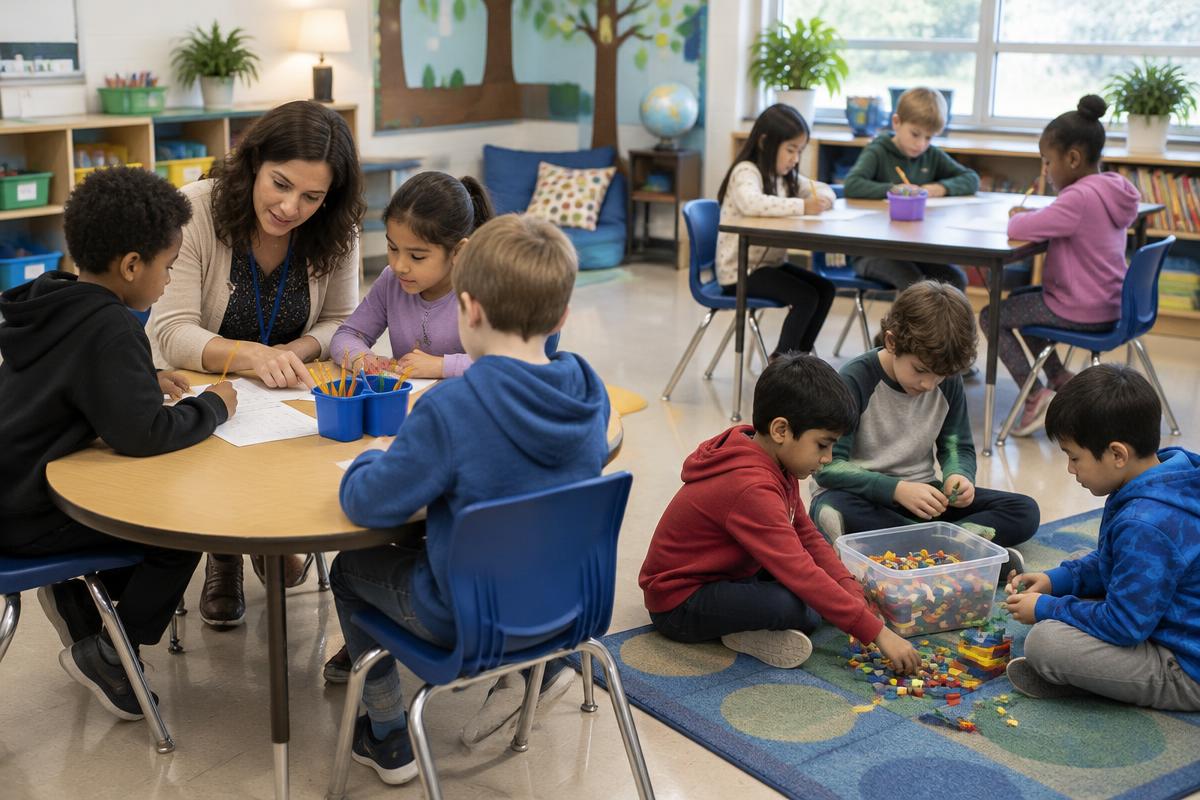
The elementary classroom today, is more diverse, inclusive, and plugged in to technology than ever before and although schools today are changing so rapidly, the power of differentiation remains the same and the need is ever growing! Teachers today are under tremendous pressure to help ensure students meet a set of rigorous, standardized learning topics. Differentiation in the Elementary Classroom will guide teachers with the division of time, resources, and efforts to effectively instruct their students.

Homeschooling Gifted Children
Are you interested in homeschooling your gifted child? Does homeschooling seem like a daunting task? Unsure of where to begin or what style of learning to follow? Our Homeschooling Gifted Children course dives into every aspect of learning and what it takes to help your child succeed. We discuss how to choose appropriate curriculum, how to individualize instruction, how to properly integrate technology, and how to foster socialization. We provide information, resources, and tools to help foster learning, build confidence, and help you and your child succeed!
IEPs for English Language Learners
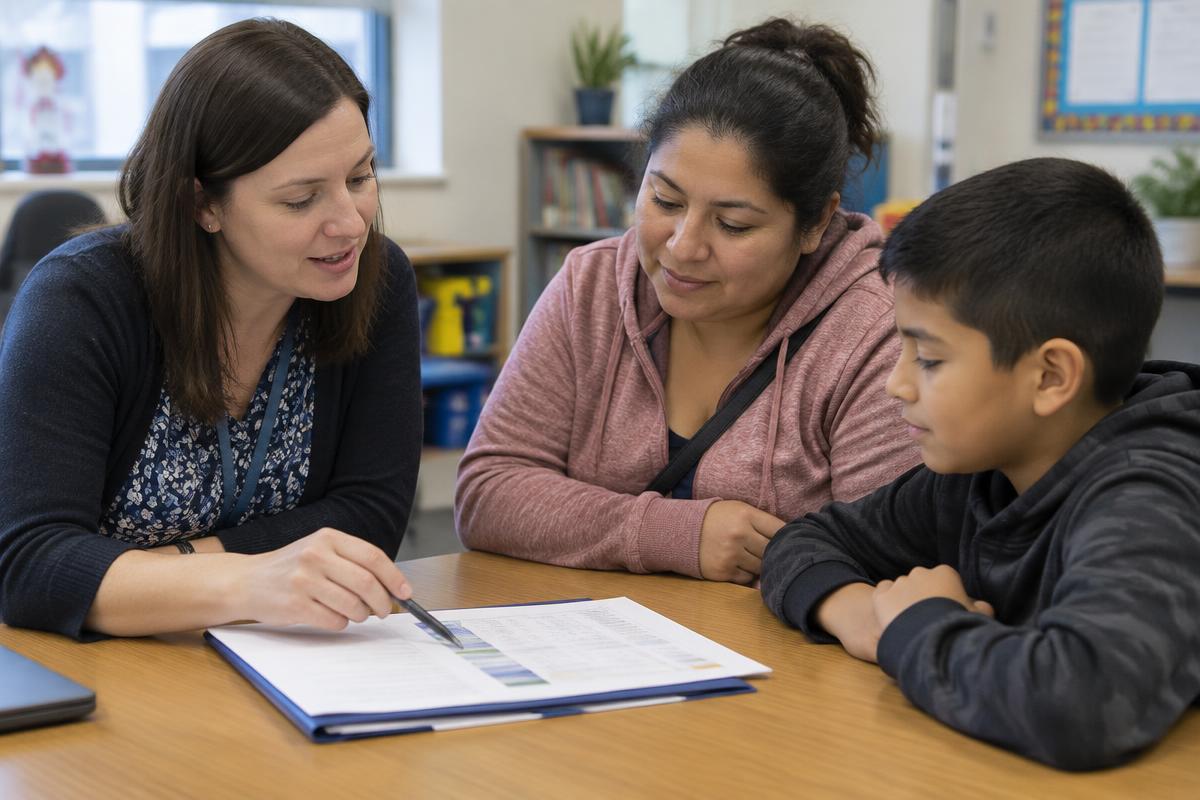
An Individualized Education Plan serves as a blueprint for learners who are eligible for special education services. English Language Leaners who also qualify for an IEP are a unique group of students who require specialized instruction and highly trained educators who understand their diverse needs. Placing students into special education programs is framed within a multi-tiered model that serves as a foundation of IEP development. Our course helps to guide educators in the development and implementation of Individualized Education Plans for diverse learners.