
 Diverse Learners & Special Education
Neurodiversity in Schools
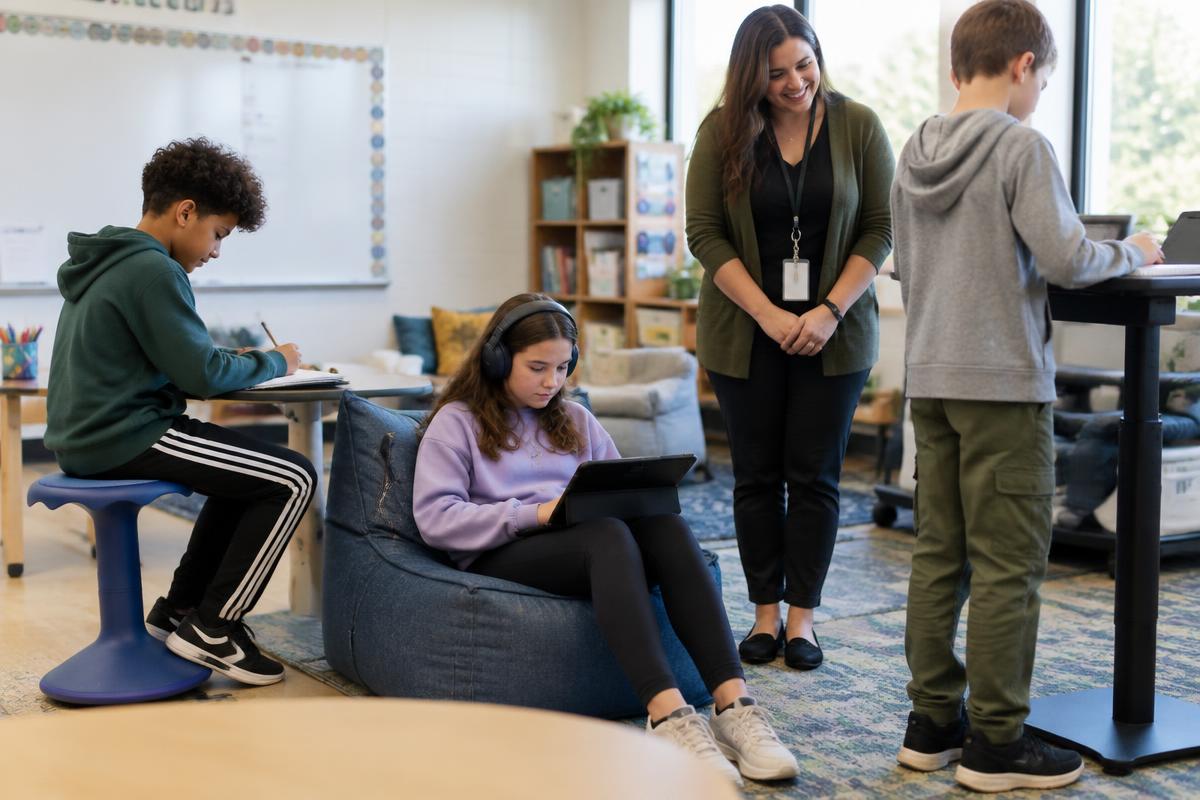
The needs of students are ever changing. By developing and implementing neurodiversity practices, educators can recognize various needs of individual students. Our Neurodiversity in Schools course describes how to create appropriate learning environments that support all neurotypes within schools. By using these practices schools can reduce stigma and focus on student strengths and talents.
Course details+
The needs of students are ever changing. By developing and implementing neurodiversity practices, educators can recognize various needs of individual students. Our Neurodiversity in Schools course describes how to create appropriate learning environments that support all neurotypes within schools. By using these practices schools can reduce stigma and focus on student strengths and talents.
After completing this course, you should be able to:
- Identify aspects of neurodivergence and how to understand neurodivergent learners
- Recall neurodivergent behaviors in the classroom
- Recognize aspects of mental health, sensory needs and communication
- Describe learning practices for neurodivergent students
Syllabus & lessons+
Module 1 - Affirming Neurodiversity
Module 2 - Creating Classroom Practices
Module 3 - Emotions, Sensory Needs and Communication
Module 4 - Strengths and Mental Health Needs
Neurodiversity in Schools Module 1
Affirming Neurodiversity
Recognizing learner variability is critical to building a neuro-diversity affirming school. In our first module, we discuss aspects of learner variability, ways to destigmatize behaviors, and how to develop neurodiversity-affirming culture within the classroom.
- History of Neurodiversity Movement
- Learner Variability
- Understanding Neurodivergent Learners
- Disability and Ableism
- Neurodiversity-Affirming Culture
Neurodiversity in Schools Module 2
Creating Classroom Practices
Removing barriers to learning gives students the opportunity and ability to succeed. Our second module explores aspects of student accommodations, ways that students camouflage to hide their behaviors and how co-regulation helps to develop self-regulation skills.
- Universal Design for Learning
- Accommodations for All
- Camouflaging in Learning
- Classroom Behaviors
- Co-Regulation
Neurodiversity in Schools Module 3
Emotions, Sensory Needs and Communication
Our third module illustrates key concepts to developing a neurodiversity-affirming practice. We explore how to develop emotional competence, in both student and teacher, types of sensory integration differences and affirming communication.
- Emotional Regulation
- Sensory Integration Differences
- Stimming
- Neurodiversity-Affirming Communication
- Social Skills
Neurodiversity in Schools Module 4
Strengths and Mental Health Needs
In our final module, we cover the basics of IEPs, 504 plans, and SMART goals. We discuss how to create individualized learning plans for neurodivergent students. Finally, we discuss the connection between neurodivergence and mental health.
- Strength Based Instruction
- Mastery-Based Learning
- Individualized Education Programs
- Mental Health Needs
- Neurodivergence and Mental Health
Instructor+
Lori Burke
Lori has over 30 years of experience in the health and human services field. She has a BA in Psychology and Health and Human Services, earned the Senior Professional in Human Resource Certification and is also a certified Mental Health First Aid Trainer. She has extensive knowledge and experience in working with people in crisis, treatment and recovery. Lori has spent the last decade as the Director at a non-profit, creating and conducting training for staff on a wide variety of topics.
Prerequisites+
No prerequisites required.
Instructional materials+
All materials included in course.
System requirements+
Internet Connection
- Broadband or High-Speed - DSL, Cable, and Wireless Connections
*Dial-Up internet connections will result in a diminished online experience. Classroom pages may load slowly and viewing large audio and video files may not be possible.
Hardware Requirements
- Processor - 2GHz Processor or Higher
- Memory - 1 GB RAM Minimum Recommended
PC Software Requirements
- Operating Systems - Windows 10 or higher
- Microsoft Office 2019 or higher. Also, you could use a general Word Processing application to save and open Microsoft Office formats (.doc, .docx, .xls, .xlsx, .ppt, .pptx)
- Internet Browsers - Google Chrome is highly recommended
- Cookies MUST be enabled
- Pop-ups MUST be allowed (Pop-up Blocker disabled)
- The Kindle Reader App or VitalSource Bookshelf App are needed for many of our courses (No special equipment needed. This can be downloaded for FREE onto your computer.)
- PowerPoint Viewer (if you do not have PowerPoint)
- Adobe PDF Reader
- QuickTime, Windows Media Player &/or Real Player
MAC Software Requirements
- Operating Systems - Mac OS version 11 or higher
- Mac office programs or a Word Processing application to save and open Microsoft Office formats (.doc, .docx, .xls, .xlsx, .ppt, .pptx)
- Internet Browsers - Google Chrome is highly recommended
- Cookies MUST be enabled
- Pop-ups MUST be allowed (Pop-up Blocker disabled)
- The Amazon Kindle Reader App or VitalSource Bookshelf App are needed for many of our courses (No special equipment needed. This can be downloaded for FREE onto your computer.)
- PowerPoint Viewer (if you do not have PowerPoint)
- Adobe PDF Reader
- Apple QuickTime Media Player
More in Diverse Learners & Special Education
Differentiation in the Elementary Classroom
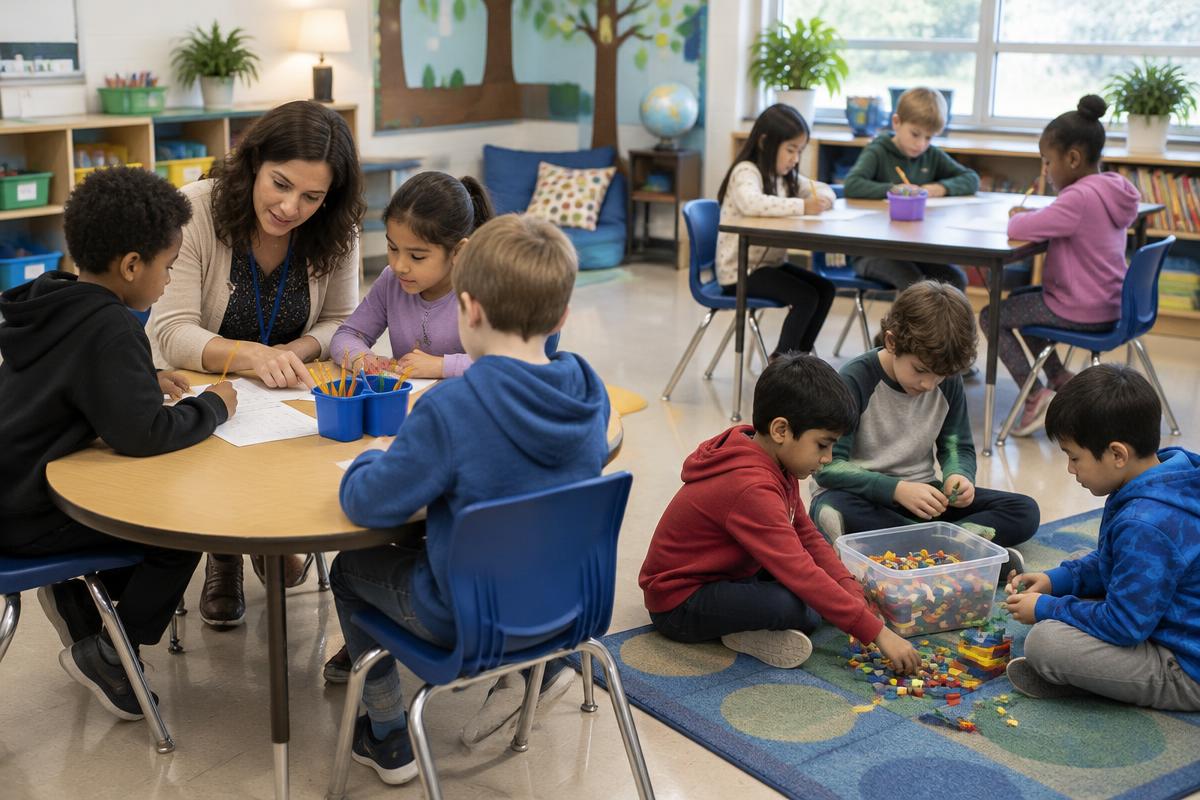
The elementary classroom today, is more diverse, inclusive, and plugged in to technology than ever before and although schools today are changing so rapidly, the power of differentiation remains the same and the need is ever growing! Teachers today are under tremendous pressure to help ensure students meet a set of rigorous, standardized learning topics. Differentiation in the Elementary Classroom will guide teachers with the division of time, resources, and efforts to effectively instruct their students.

Homeschooling Gifted Children
Are you interested in homeschooling your gifted child? Does homeschooling seem like a daunting task? Unsure of where to begin or what style of learning to follow? Our Homeschooling Gifted Children course dives into every aspect of learning and what it takes to help your child succeed. We discuss how to choose appropriate curriculum, how to individualize instruction, how to properly integrate technology, and how to foster socialization. We provide information, resources, and tools to help foster learning, build confidence, and help you and your child succeed!
IEPs for English Language Learners
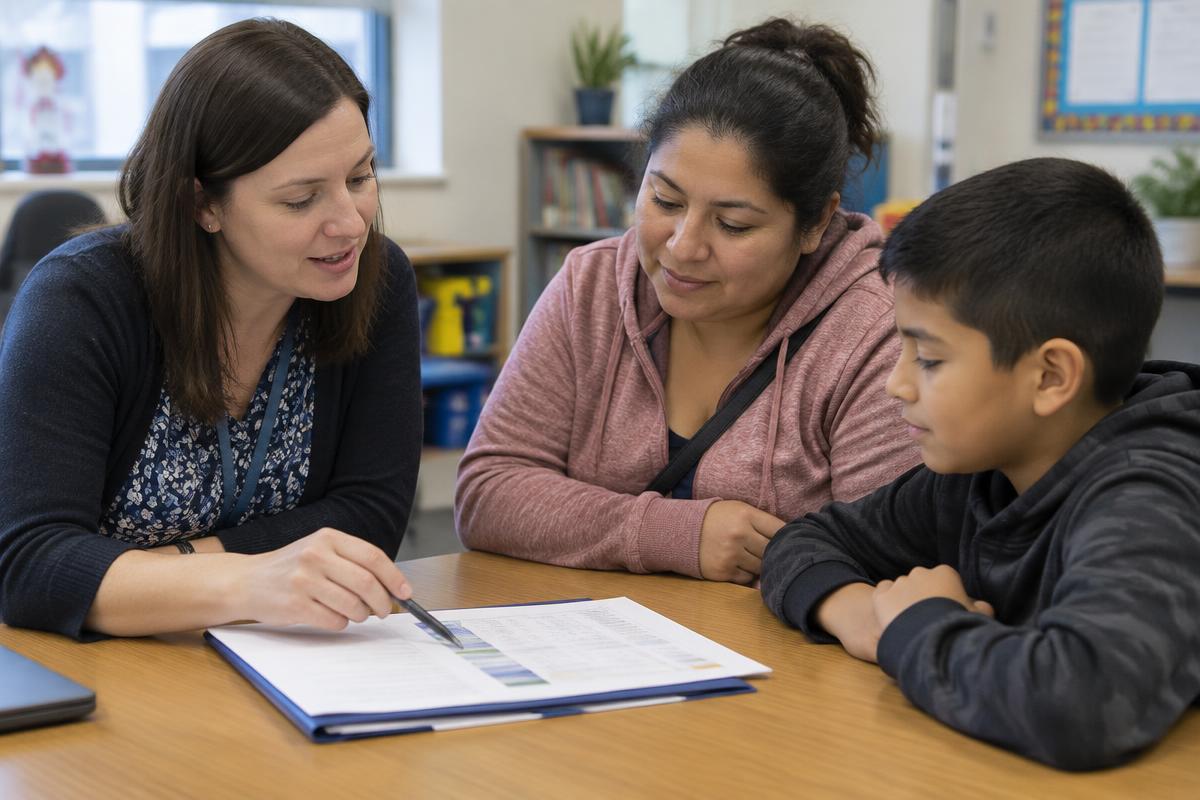
An Individualized Education Plan serves as a blueprint for learners who are eligible for special education services. English Language Leaners who also qualify for an IEP are a unique group of students who require specialized instruction and highly trained educators who understand their diverse needs. Placing students into special education programs is framed within a multi-tiered model that serves as a foundation of IEP development. Our course helps to guide educators in the development and implementation of Individualized Education Plans for diverse learners.