 STEM, Creativity & Engaging Instruction
Instructional Strategies for Academic Success
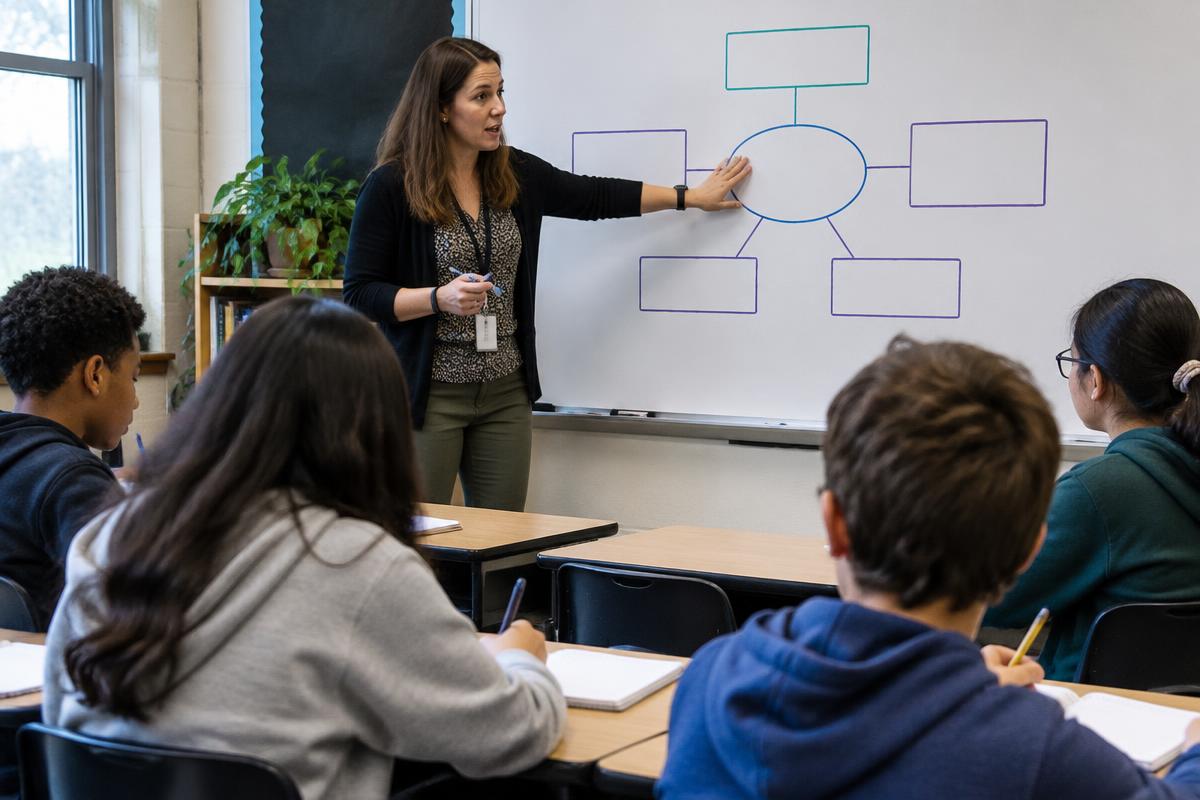
No single strategy can guarantee that a child will learn. Instructional strategies work in collaboration with other educational methods to influence student learning. Our Instructional Strategies for Academic Success course explores over 330 specific instructional strategies. We discuss how to use assessments, how to conduct lessons, and implement rules and procedures all while building positive relationships with students.
Course details+
No single strategy can guarantee that a child will learn. Instructional strategies work in collaboration with other educational methods to influence student learning. Our Instructional Strategies for Academic Success course explores over 330 specific instructional strategies. We discuss how to use assessments, how to conduct lessons, and implement rules and procedures all while building positive relationships with students.
After completing this course, you should be able to:
- Describe how to provide clear learning goals and how to use assessments
- Identify educational strategies, including knowledge application lessons
- Recall how to use engagement strategies and implement rules and procedures
- Recognize how to build relationships and communicate expectations
Syllabus & lessons+
Module 1 - Learning Goals and Assessments
Module 2 - Lesson Planning Strategies
Module 3 - Engagement Strategies, Rules, and Procedures
Module 4 - High Expectations
Instructional Strategies for Academic Success Module 1
Learning Goals and Assessments
In this first module, we discuss how to provide and communicate clear learning goals. In order to provide effective feedback, learning goals need to first be implemented and understandable. We also examine how assessments can provide students with methods to advance their learning.
- Scales and Rubrics
- Tracking Student Progress
- Informal Assessments
- Formal Assessments
- Processing Content
Instructional Strategies for Academic Success Module 2
Lesson Planning Strategies
In module two, we describe a number of different strategies for student learning. Aspects of procedural and declarative knowledge are discussed, as well as ways to implement direct instruction, structured practice, and knowledge application lessons.
- Structured Practice Sessions
- Knowledge Application Lessons
- Cognitively Complex Tasks
- Strategies that Appear in all Types of Lessons
- Highlighting Critical Information
Instructional Strategies for Academic Success Module 3
Engagement Strategies, Rules, and Procedures
Engagement is divided into four components: paying attention, being energized, being intrigued, and being inspired. We examine ways to use engaging strategies to assist with learning, which can help motivate and inspire students. We also discuss proper ways to establish rules and procedures within your classroom.
- Response Rates
- Academic Games
- Intensity and Enthusiasm
- Motivation and Inspiring Students
- Establishing Rules and Procedures
Instructional Strategies for Academic Success Module 4
High Expectations
Building relationships with your students is one of the most beneficial things you can do as their teacher. The greater the expectations, the more you feel comfortable with providing a challenging and interact environment. Our final module discusses ways to build relationships, communicate high expectations, and promote teacher growth and development.
- Building Relationships
- Displaying Objectivity and Control
- Communicating High Expectations
- Making System Changes
- Teacher Development
Instructor+
Robert Webster
Robert has over 20 years of combined leadership, education and human services experience. He has a Bachelor’s of Science degree in Education from SUNY Cortland, a Bachelor of Arts degree in Sociology from SUNY Oswego, and an M.S. in Mathematics. He has an extensive background in education, coaching, leadership and health services.
Prerequisites+
No prerequisites required.
Instructional materials+
All materials included in course.
System requirements+
Internet Connection
- Broadband or High-Speed - DSL, Cable, and Wireless Connections
*Dial-Up internet connections will result in a diminished online experience. Classroom pages may load slowly and viewing large audio and video files may not be possible.
Hardware Requirements
- Processor - 2GHz Processor or Higher
- Memory - 1 GB RAM Minimum Recommended
PC Software Requirements
- Operating Systems - Windows 10 or higher
- Microsoft Office 2019 or higher. Also, you could use a general Word Processing application to save and open Microsoft Office formats (.doc, .docx, .xls, .xlsx, .ppt, .pptx)
- Internet Browsers - Google Chrome is highly recommended
- Cookies MUST be enabled
- Pop-ups MUST be allowed (Pop-up Blocker disabled)
- The Kindle Reader App or VitalSource Bookshelf App are needed for many of our courses (No special equipment needed. This can be downloaded for FREE onto your computer.)
- PowerPoint Viewer (if you do not have PowerPoint)
- Adobe PDF Reader
- QuickTime, Windows Media Player &/or Real Player
MAC Software Requirements
- Operating Systems - Mac OS version 11 or higher
- Mac office programs or a Word Processing application to save and open Microsoft Office formats (.doc, .docx, .xls, .xlsx, .ppt, .pptx)
- Internet Browsers - Google Chrome is highly recommended
- Cookies MUST be enabled
- Pop-ups MUST be allowed (Pop-up Blocker disabled)
- The Amazon Kindle Reader App or VitalSource Bookshelf App are needed for many of our courses (No special equipment needed. This can be downloaded for FREE onto your computer.)
- PowerPoint Viewer (if you do not have PowerPoint)
- Adobe PDF Reader
- Apple QuickTime Media Player
More in STEM, Creativity & Engaging Instruction

Fueling Creativity in the Classroom
All teachers want children to fulfill their creative potential, but teachers and other adults often unintentionally stifle creativity. Fueling Creativity in the Classroom is designed to help teachers know and understand the skills that children need to thrive in the future: knowing how to learn, passion and curiosity, people skills, and creativity. Teachers need to ensure that every single early childhood setting is a place where ideas can grow and our course will help new and seasoned teachers with their approach in fostering creativity for the students in their classrooms.
Project Based Learning Techniques
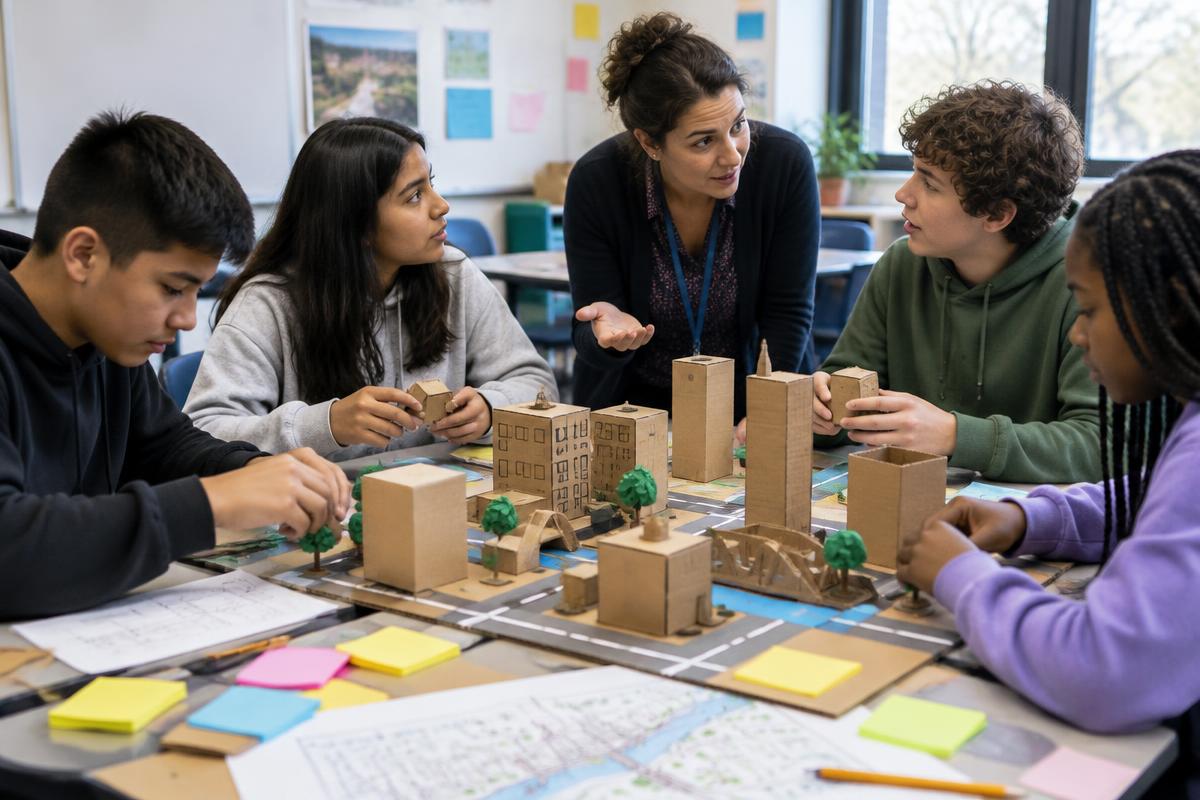
One challenge for teachers trying to incorporate Project Based Learning (PBL) strategies into their classroom is having the knowledge to implement effectively. Our Project Based Learning Techniques course will help guide you through the process of setting up beneficial learning environments. We cover theories behind PBL, as well as planning activities, assessment, feedback, and reflection strategies. By taking our course, you’ll discover the fascinating world of PBL by using hands-on and engaging learning techniques.
STEM for Teachers in Grades 4-8
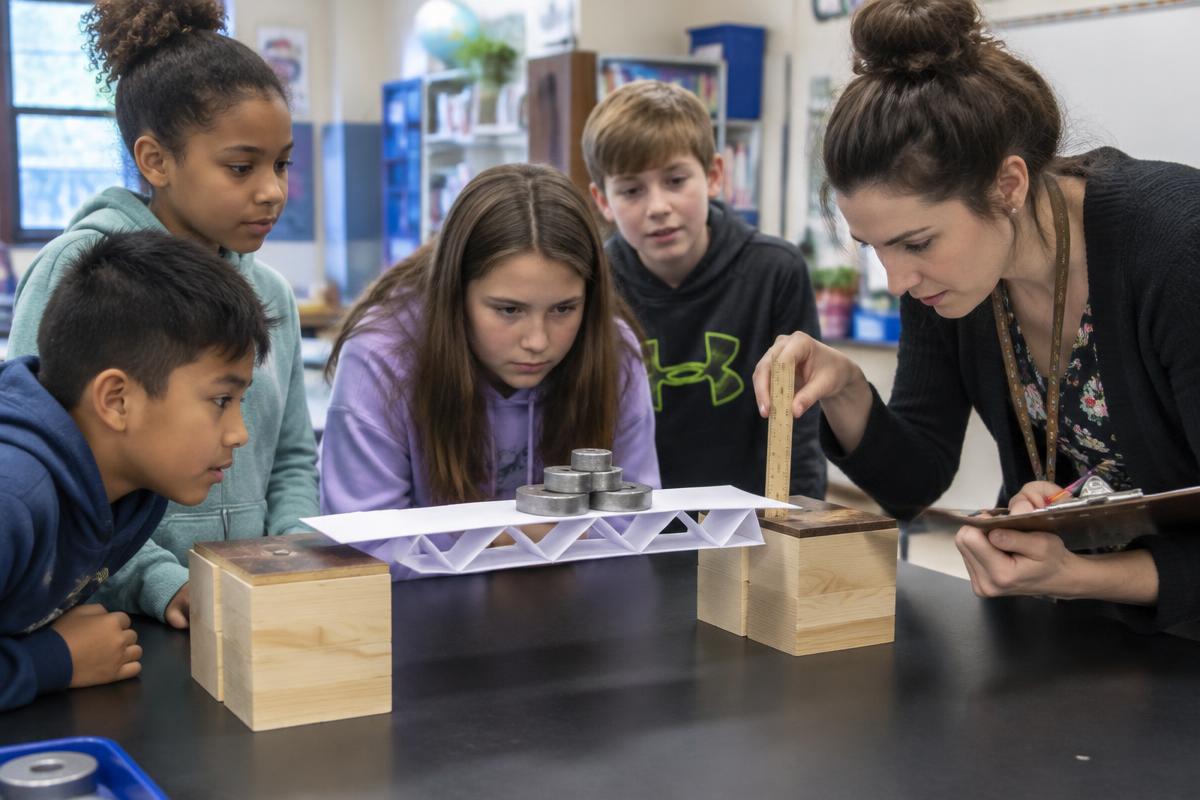
Are you an educator in grades 4-8 who is struggling with STEM concepts and techniques for incorporating them into your classroom? Or are you new in the STEM field? As an educator, our STEM for Teachers in Grades 4-8 course will help you create, select, and adapt quality STEM lesson plans that will energize and help your students grow academically and as individuals. This course covers how to assess students’ understanding of concepts and procedures, how to utilize project-based learning styles, and how to focus on your students’ creative side so they develop important critical thinking and collaboration skills