 Early Childhood, Literacy & Language
Homeschooling Starter Guide
Our Homeschooling Starter Guide course outlines steps for creating a positive and effective home learning environment and how to develop a solid teaching philosophy. We will explore various homeschooling models, rules, and requirements, as well as ways to develop proper goals and implement lesson plans. Many families who homeschool have discovered its vast benefits and homeschooling has grown tremendously in the last few years. Our course provides you with the tools to make your homeschooling journey fun, effective, and sustainable!
Course details+
Our Homeschooling Starter Guide course outlines steps for creating a positive and effective home learning environment and how to develop a solid teaching philosophy. We will explore various homeschooling models, rules, and requirements, as well as ways to develop proper goals and implement lesson plans. Many families who homeschool have discovered its vast benefits and homeschooling has grown tremendously in the last few years. Our course provides you with the tools to make your homeschooling journey fun, effective, and sustainable!
After completing this course, you should be able to:
- Recall techniques for creating the best learning environments
- Recognize how to develop your own teaching philosophy
- Identify your homeschooling action plan and goals
- Describe how to create quality curriculum and lesson plans
Syllabus & lessons+
Module 1 - Creating the Best Learning Environments
Module 2 - Developing Your Teaching Philosophy
Module 3 - Goals and Action Plans
Module 4 - Lesson Plans and Curriculum
Homeschooling Starter Guide Module 1
Creating the Best Learning Environments
Homeschooling has many benefits for children and teens, including increased academic success and increased positive social behaviors. Our first module examines all these benefits and key factors for creating a conducive learning environment for your home.
- Why Should You Homeschool?
- Key Factors to Consider Before Homeschooling
- Creating the Best Learning Environment for Your Home
- Why Your Learning Space is Important
- How to Map Out Your Learning Space
Homeschooling Starter Guide Module 2
Developing Your Teaching Philosophy
As you begin your homeschooling journey, it’s vital to think about and develop your own teaching philosophy. In this module, we compare major educational philosophies and models to help you choose which will fit your needs. We also discuss general standards and requirements for homeschooling.
- Developing Your Own Teaching Philosophy
- Write Your Own Education Philosophy Statement
- Comparisons of Major Homeschool Models
- How to Pair a Homeschool Model with a Teaching Philosophy
- Homeschooling Rules and Regulations
Homeschooling Starter Guide Module 3
Goals and Action Plans
In our third module, we focus on setting sustainable and manageable goals. We also examine how to personalize an action plan to meet your child’s needs. These concepts can be challenging, but also very exciting. This module will help walk you through it.
- Tracking Your Homeschool Goals
- SMART Homeschooling Goals
- Pairing Homeschool Model with Education Goals
- Create Your Homeschool Action Plan
- Personalize Your Action Plan
Homeschooling Starter Guide Module 4
Lesson Plans and Curriculum
Writing lesson plans requires time, dedication, and an understanding of student abilities and goals. In our final module, we describe different types of curriculums, how to create feasible and effective lesson plans, and how to create a manageable homeschool schedule.
- How to Create a Homeschool Schedule
- Creating a Homeschool Lesson Plan
- Planning Beyond Your First Homeschool Year
- Empowering Students to Take Charge
- Homeschool Support Groups
Instructor+
Erin Fouse
Erin has a Bachelor of Science degree in Psychology and Elementary Education from Potsdam State University, as well as a MS/P, Science of Psychology. She spent 15 years as a public school teacher in a variety of grade levels. She has taught academically gifted students, Spanish, reading and language arts. Erin has also worked in the online education field for a number of years, earning professional and national certifications through online education training programs.
Prerequisites+
No prerequisites required.
Instructional materials+
All materials included in course.
System requirements+
Internet Connection
- Broadband or High-Speed - DSL, Cable, and Wireless Connections
*Dial-Up internet connections will result in a diminished online experience. Classroom pages may load slowly and viewing large audio and video files may not be possible.
Hardware Requirements
- Processor - 2GHz Processor or Higher
- Memory - 1 GB RAM Minimum Recommended
PC Software Requirements
- Operating Systems - Windows 10 or higher
- Microsoft Office 2019 or higher. Also, you could use a general Word Processing application to save and open Microsoft Office formats (.doc, .docx, .xls, .xlsx, .ppt, .pptx)
- Internet Browsers - Google Chrome is highly recommended
- Cookies MUST be enabled
- Pop-ups MUST be allowed (Pop-up Blocker disabled)
- The Kindle Reader App or VitalSource Bookshelf App are needed for many of our courses (No special equipment needed. This can be downloaded for FREE onto your computer.)
- PowerPoint Viewer (if you do not have PowerPoint)
- Adobe PDF Reader
- QuickTime, Windows Media Player &/or Real Player
MAC Software Requirements
- Operating Systems - Mac OS version 11 or higher
- Mac office programs or a Word Processing application to save and open Microsoft Office formats (.doc, .docx, .xls, .xlsx, .ppt, .pptx)
- Internet Browsers - Google Chrome is highly recommended
- Cookies MUST be enabled
- Pop-ups MUST be allowed (Pop-up Blocker disabled)
- The Amazon Kindle Reader App or VitalSource Bookshelf App are needed for many of our courses (No special equipment needed. This can be downloaded for FREE onto your computer.)
- PowerPoint Viewer (if you do not have PowerPoint)
- Adobe PDF Reader
- Apple QuickTime Media Player
More in Early Childhood, Literacy & Language
Childhood Language Development
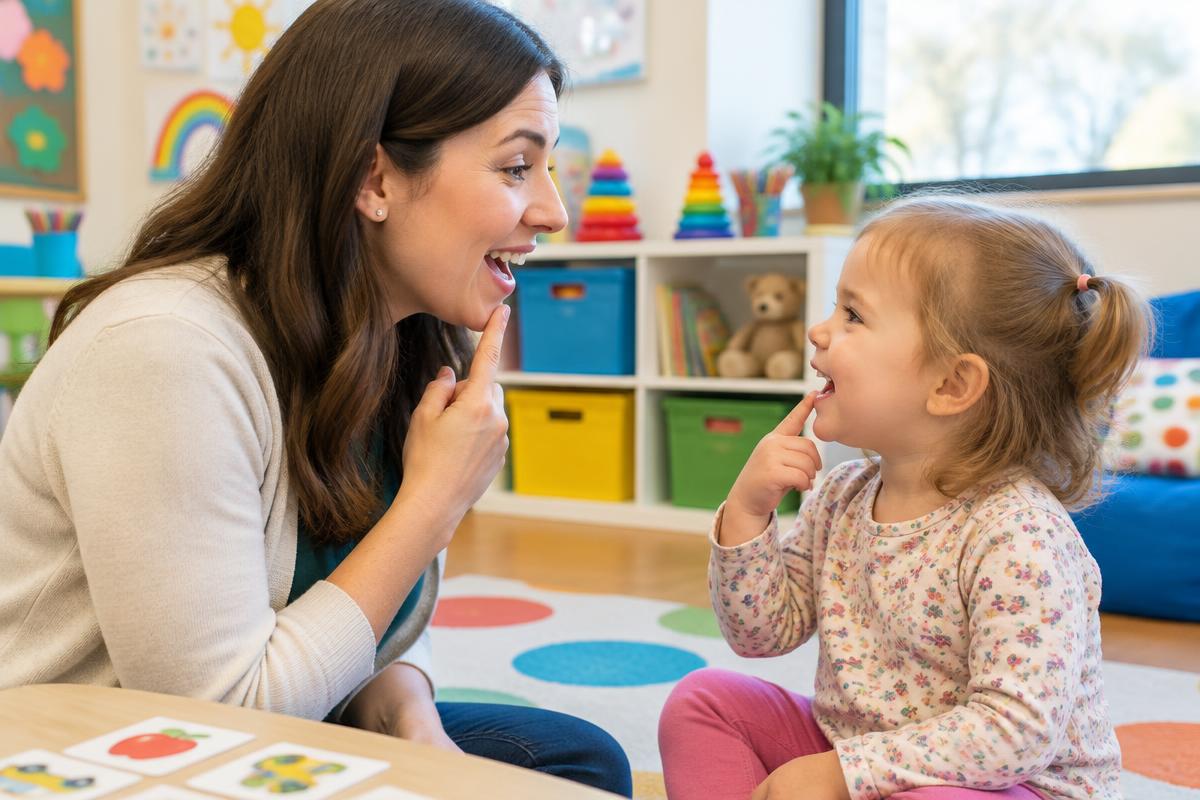
Children with speech, language, or listening problems can look forward to less frustration, self-doubt, and misplaced blame for their limitations if they are properly diagnosed and treated and if their family is informed and supportive. If you suspect or have been told that your child has as a speech, language, or listening problem, our course will give you a deeper understanding of the diagnoses and how to offer help for your child. Armed with knowledge, you are in a better position to help make your child’s life more fulfilling and far less challenging.
Preschool Fun Ideas!
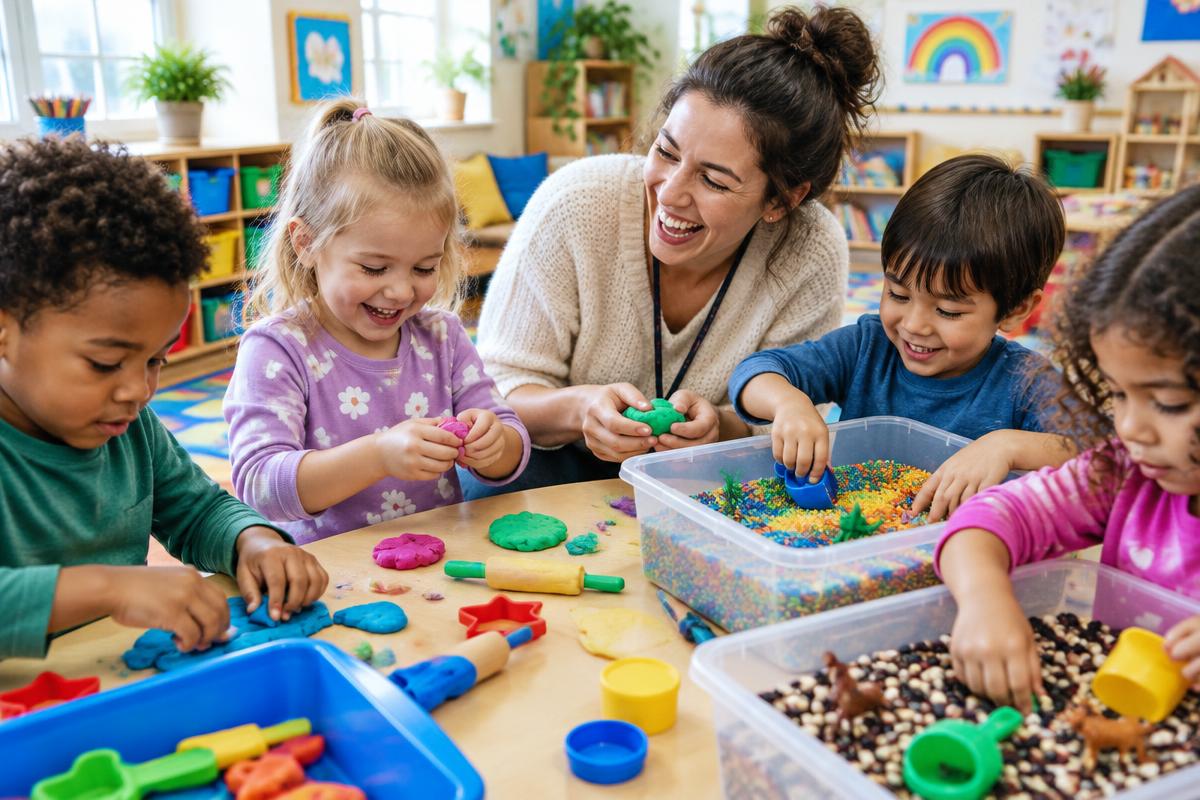
Preschool Fun Ideas is an overview of age appropriate practices for early childhood educators. This course covers the fundamentals of creating engaging and nurturing learning centers, discuss the importance of each learning domain, give examples of activities to incorporate into your daily schedule, and finally you will get hands on experience by creating your own lesson plan.
Teaching the Struggling Reader
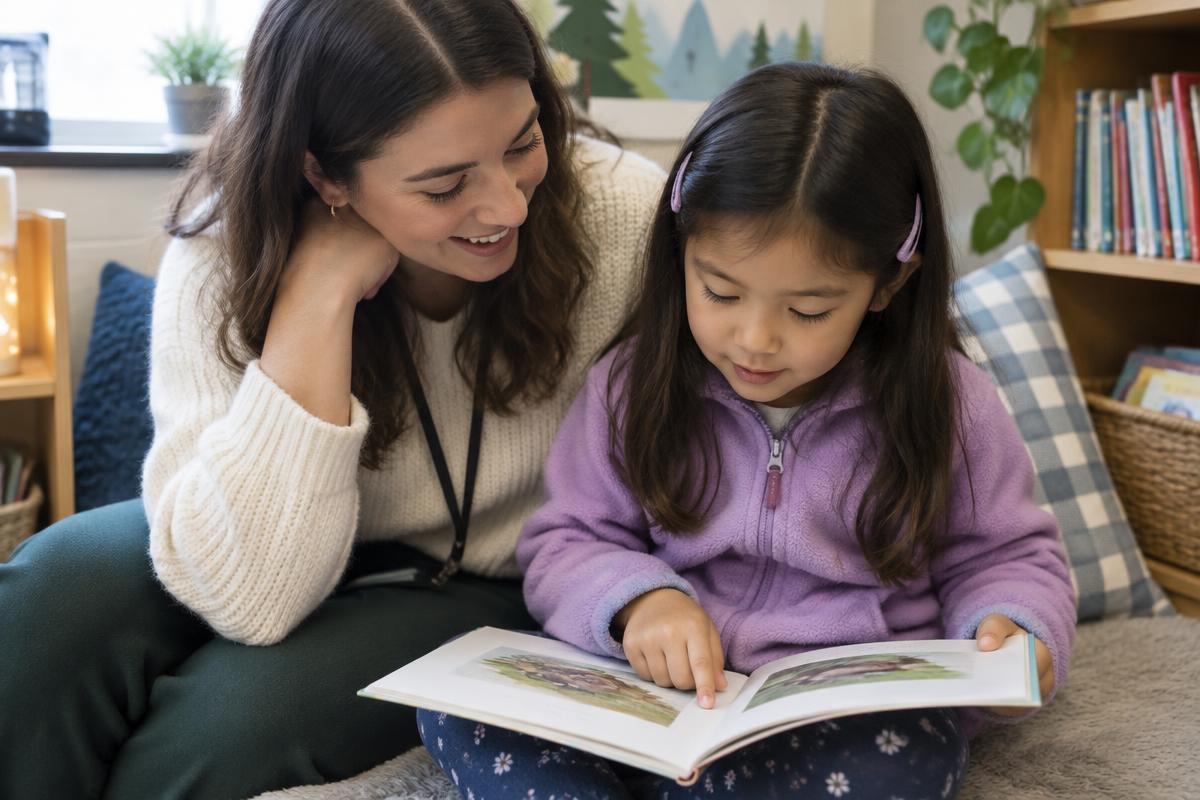
Everyone who reads written language employs reading strategies. When teaching students to read, you are showing learners the kinds of reading decisions that proficient readers make rapidly and automatically to understand the text. When readers use these strategies often enough in a conscious and deliberate way, at some point, the practices become unconscious skills that they apply automatically whenever they read. This course focuses on practical "how-to" instructions to practice while helping students gain a greater understanding of what they are reading. Our Teaching the Struggling Reader course provides strategies for teachers and parents to use to help give their young readers the confidence they need to gain a love of reading!