
 Student Well-Being & Social-Emotional Growth
Building Student Resiliency
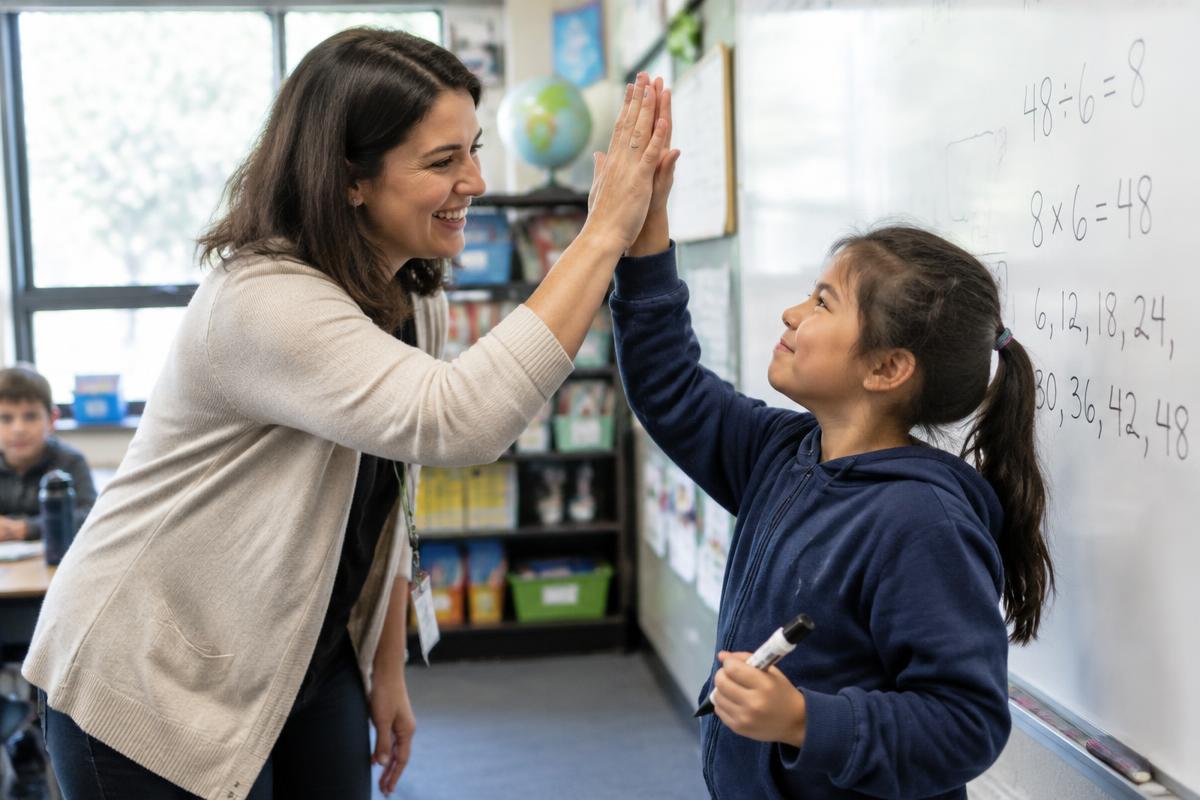
Adverse childhood experiences describe traumatic events that occur before the age of 18 and are categorized into three groups: abuse, family/household challenges, and neglect. Our Building Student Resiliency course is for the educators who work with the youngest and most vulnerable members of our society: our children. We discuss how adverse childhood experiences impacts teaching and learning while also examining how to incorporate appropriate instructional strategies in the classroom. We also describe how to make sure schools are proactive in more therapeutic and compassionate ways for all students.
Course details+
Adverse childhood experiences describe traumatic events that occur before the age of 18 and are categorized into three groups: abuse, family/household challenges, and neglect. Our Building Student Resiliency course is for the educators who work with the youngest and most vulnerable members of our society: our children. We discuss how adverse childhood experiences impacts teaching and learning while also examining how to incorporate appropriate instructional strategies in the classroom. We also describe how to make sure schools are proactive in more therapeutic and compassionate ways for all students.
After completing this course, you should be able to:
- Identify how adverse childhood experiences are categorized and how they affect children
- Recall the effects of trauma on the brain and how adverse experiences affect behavior and learning
- Recognize classroom interventions and behavior management techniques
- Describe how to implement a trauma-informed framework in classrooms and school districts
Syllabus & lessons+
Module 1 - Adverse Childhood Experiences
Module 2 - Effects of Trauma on the Brain
Module 3 - Differentiating Interventions
Module 4 - From Theory to Practice
Building Student Resiliency Module 1
Adverse Childhood Experiences
Adverse childhood experiences are classified into 3 categories – abuse, family/household challenges, and neglect. In this module we describe these categories, as well as aspects of self-care and self-awareness.
- Adverse Childhood Experiences
- Burnout or Compassion Fatigue
- Intervention
- Self-Care and Self-Awareness
- Physical, Emotional, and Mental Health Wellness
Building Student Resiliency Module 2
Effects of Trauma on the Brain
This module dives into the concept of transformations teaching and learning. We discuss the pedagogy-growing mindset, self-care, and self-esteem. We also explore how areas of the brain are activated by emotions and how trauma impacts learning and behavior.
- Courage to Teach
- Pedagogy-Growing Mindset
- Progress Not Perfection
- Effects of Trauma on the Brain
- Behavior and Learning
Building Student Resiliency Module 3
Differentiating Interventions
Students who have been impacted by adverse childhood experiences need to feel authentic relationships based on trust, belonging, and feeling valued. This module discusses behavior management techniques, response to intervention, and creating positive relationships.
- Teaching Behaviors
- Differentiating Interventions
- Changing Pedagogy
- Envisioning a Compassionate School
Building Student Resiliency Module 4
From Theory to Practice
Each school’s journey to implement a trauma-informed framework is unique. Each staff’s understanding of trauma and adverse childhood experiences are different. This final module discusses how to evaluate classroom programs and how to effectively change and plan curriculum.
- Transformations Actions
- Assessing and Building Capacity
- Evaluating Program Effectiveness
- Guide to Transformation
- Evaluation and Planning
Instructor+
Michael Fouse
Michael Fouse enlisted into the United States Army in November of 1992. In 1996 he attended the United States Army Special Forces Qualification course (Green Beret) from which he was awarded Honor Graduate. While in the military, Sergeant Fouse graduated with a Bachelor of Social Science and History from Thomas Edison State College. Sergeant First Class Fouse’s military education includes: Airborne school, Infantry Officer’s Basic Course, Ranger Course, Pathfinder Course, Military Freefall Parachutist course, Static Line Jumpmaster course, Military Freefall Jumpmaster course, Survival Evasion Resistance and Escape (SERE) level C, USMC High Risk Personnel course, Civil Affairs course, Peacetime Governmental/Hostage Detention course, US Army Instructor training course, Special Forces Qualification Course (18B).
Prerequisites+
No prerequisites required.
Instructional materials+
All materials included in course.
System requirements+
Internet Connection
- Broadband or High-Speed - DSL, Cable, and Wireless Connections
*Dial-Up internet connections will result in a diminished online experience. Classroom pages may load slowly and viewing large audio and video files may not be possible.
Hardware Requirements
- Processor - 2GHz Processor or Higher
- Memory - 1 GB RAM Minimum Recommended
PC Software Requirements
- Operating Systems - Windows 10 or higher
- Microsoft Office 2019 or higher. Also, you could use a general Word Processing application to save and open Microsoft Office formats (.doc, .docx, .xls, .xlsx, .ppt, .pptx)
- Internet Browsers - Google Chrome is highly recommended
- Cookies MUST be enabled
- Pop-ups MUST be allowed (Pop-up Blocker disabled)
- The Kindle Reader App or VitalSource Bookshelf App are needed for many of our courses (No special equipment needed. This can be downloaded for FREE onto your computer.)
- PowerPoint Viewer (if you do not have PowerPoint)
- Adobe PDF Reader
- QuickTime, Windows Media Player &/or Real Player
MAC Software Requirements
- Operating Systems - Mac OS version 11 or higher
- Mac office programs or a Word Processing application to save and open Microsoft Office formats (.doc, .docx, .xls, .xlsx, .ppt, .pptx)
- Internet Browsers - Google Chrome is highly recommended
- Cookies MUST be enabled
- Pop-ups MUST be allowed (Pop-up Blocker disabled)
- The Amazon Kindle Reader App or VitalSource Bookshelf App are needed for many of our courses (No special equipment needed. This can be downloaded for FREE onto your computer.)
- PowerPoint Viewer (if you do not have PowerPoint)
- Adobe PDF Reader
- Apple QuickTime Media Player
More in Student Well-Being & Social-Emotional Growth
A Parent’s Guide to Adolescents
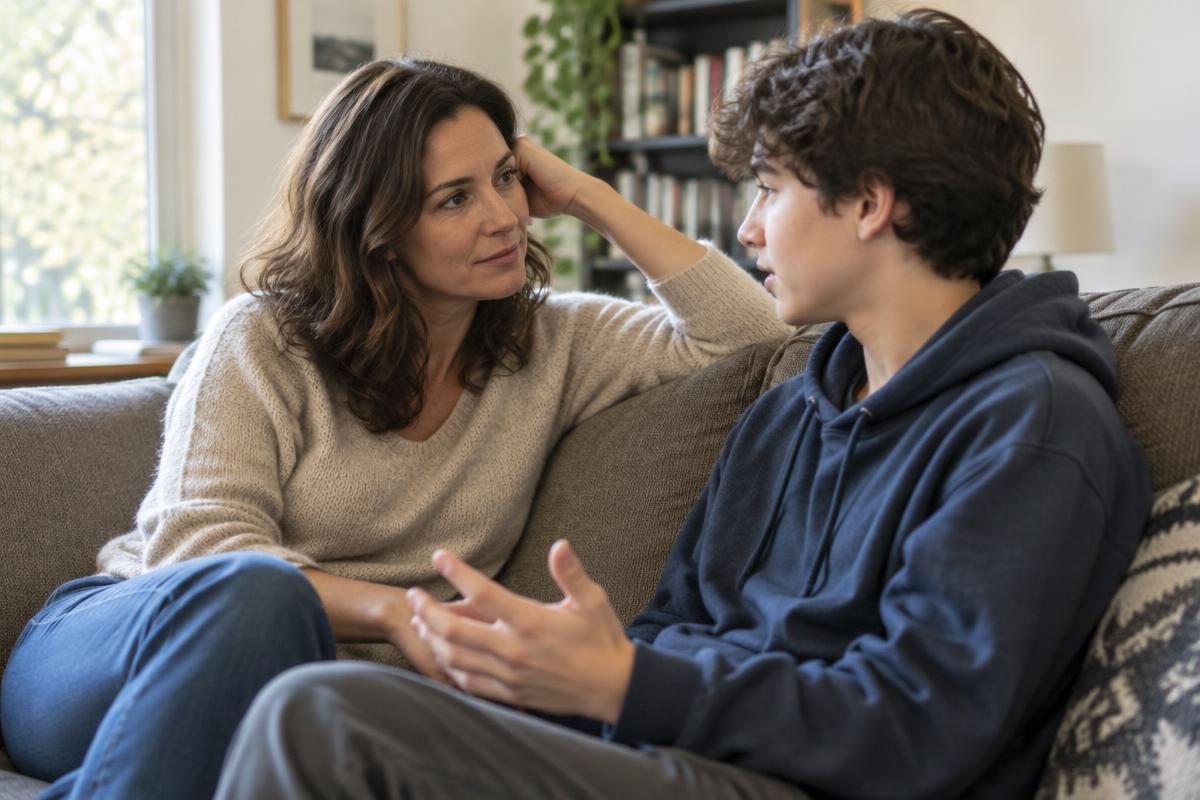
Why do they act that way? That is the question all parents of teenagers have asked themselves at one time or another. Understanding those not children, but not yet adult humans that take over the house is no easy feat. They have bad manners, contempt for authority, disrespect for elders, and spend all their time sleeping and playing video games. This course addresses what modern teens face today and delves into physiological and psychological issues that turn our loving kids into surely teenagers.
Bullying in Schools
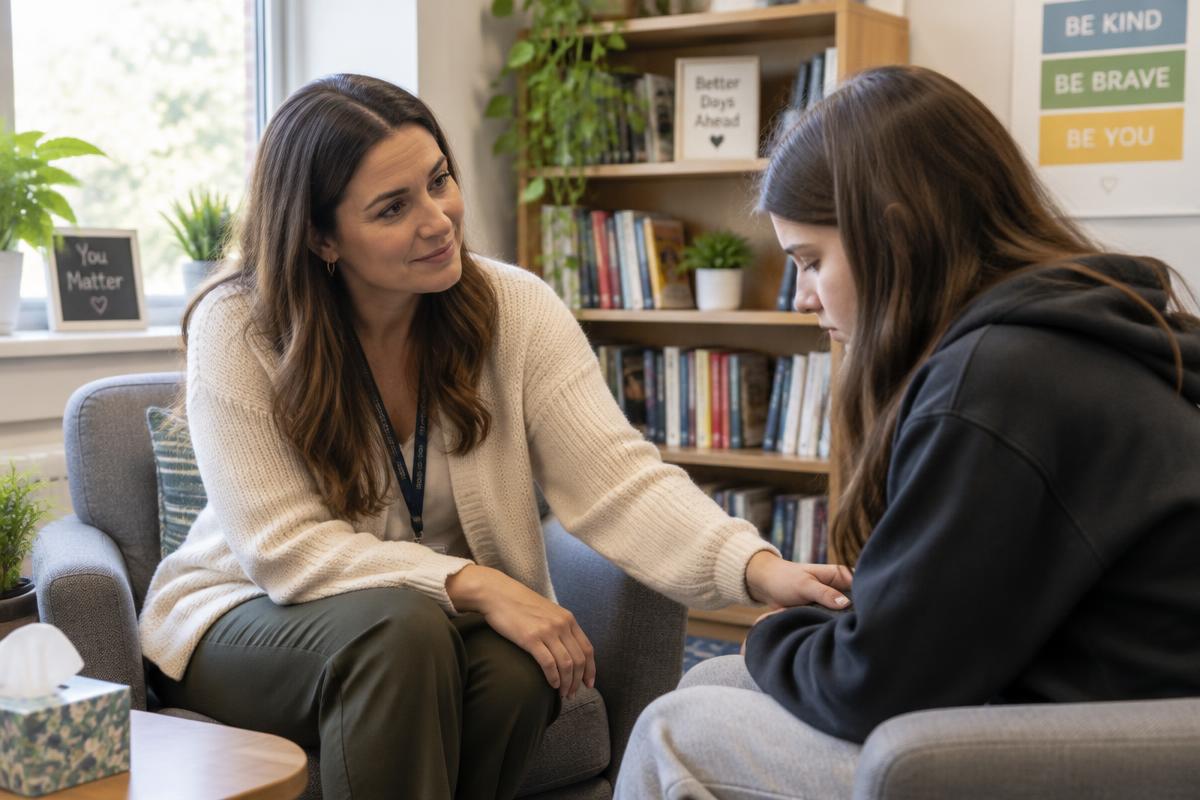
Over the last three decades, school shootings have become increasing more frequent. Why is this happening? Our Bullying in Schools course discusses the connections between school shootings, bullying, and gender and social demands placed on children in our schools. Bullying has reached disturbing levels across the country and no one is immune. We’ll discuss aspects of masculinity, social status, violence against girls, cyber-bullying, gay bashing, and adult bullying. This course introduces you to the effects bullying has on our communities and techniques for creating a caring learning environment for our children.
Student Mental Health
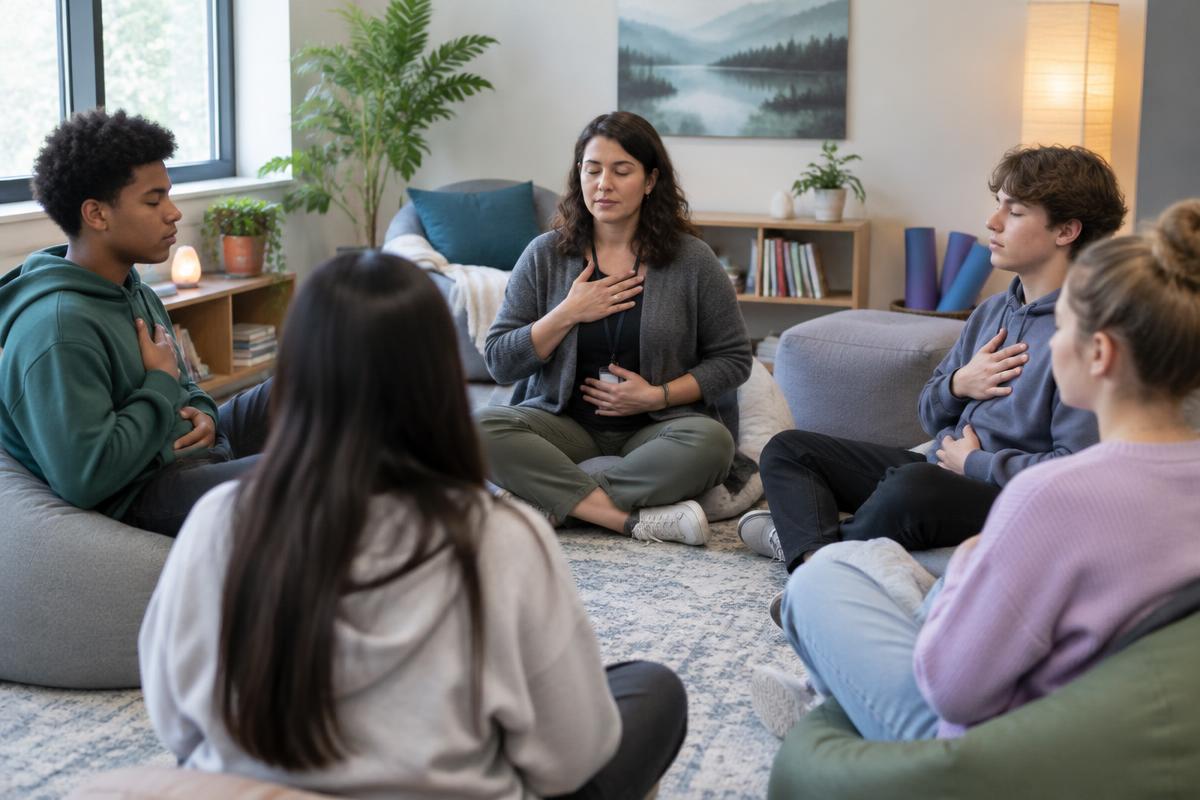
Mental health disorders can manifest early in life. Disorders should be identified, correctly diagnosed, and successfully treated to ensure success of children who have mental health disorders. Our Student Mental Health course is geared towards all types of professionals in educational settings such as teachers, district staff, school psychologists, school nurses, social workers, and counselors. We provide information and resources required to advocate for children’s needs in school. We cover a wide variety of topics: evidence-based teaching methods, coordinating services, creating school mental health plans, student violence, special education policy issues, and healthy lifestyles related to mental health.